Sworn to the Damned: How Dark Fantasy RPGs Rewire Your Brain to Follow Monsters
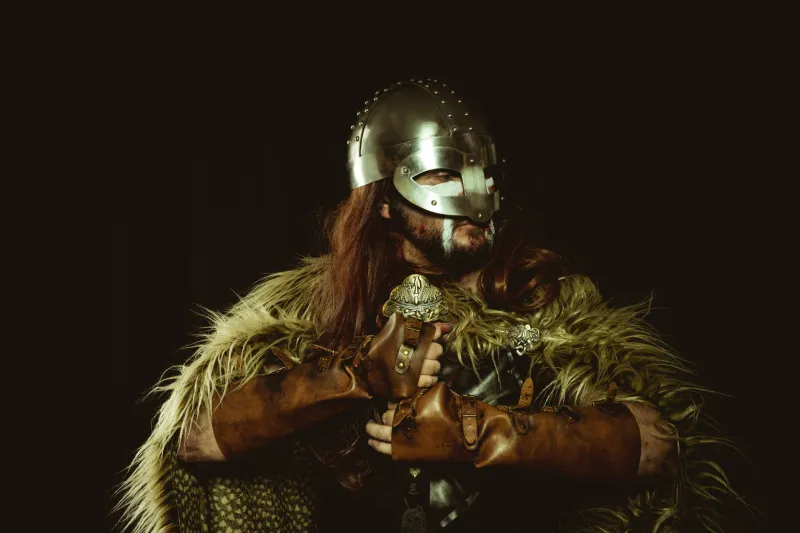
Let's be real for a second. You've been there. You're forty hours deep into a dark fantasy RPG, fully aware that the brooding warlord you've been following across three continents has lied to you at least six times, probably sacrificed a village or two for the greater good, and definitely has a body count that would make a war criminal blush. And yet — and yet — when the game gives you the option to walk away, you don't. You stay. You rationalize. You tell yourself he's complicated, that the world made him this way, that maybe this time things will be different.
That's not weak character on your part. That's game design doing exactly what it was built to do.
Dark fantasy RPGs are, at their core, loyalty machines. The best ones don't just tell stories about morally compromised factions and fallen heroes — they engineer the conditions under which you become emotionally incapable of leaving them behind. And the mechanics behind that process are a lot more deliberate than most players ever stop to consider.
The First Investment: Getting You In Before You Know What You're In
The trick usually starts early — before you've seen the red flags, before the cracks show. Games like Dragon Age: Origins and Baldur's Gate 3 are masterclasses in what designers sometimes call the "foot in the door" approach. You meet a character when they're at their most sympathetic: wounded, witty, vulnerable, or just plain useful. You fight beside them. You share a campfire. You learn their backstory in carefully rationed emotional doses.
By the time the narrative reveals that this person has done something genuinely awful — or belongs to a faction with blood on its hands — you've already built a mental file folder labeled "reasons this person is worth saving." Psychologists call this the sunk cost fallacy. Game designers call it character investment. Players call it Tuesday.
The genius is in the sequencing. You are never shown the monster first. You're shown the human, the history, the hurt. The monster comes later, when you're already too attached to see it clearly.
Faction Mechanics and the Illusion of Belonging
If individual character attachment is the hook, faction systems are the net. Games like The Witcher 3, Pathfinder: Wrath of the Righteous, and Tyranny don't just ask you to pick a side — they make you earn your place within a group, often through escalating acts of commitment that quietly normalize increasingly dark behavior.
Think about how faction reputation systems work. You do favors. You complete missions. You receive recognition, rewards, lore drops that make you feel like an insider. Over time, the faction stops feeling like a game mechanic and starts feeling like a community — your community. And communities, even corrupt ones, generate a powerful psychological pull. Humans are wired for belonging. We've been tribal since before we had language. Dark fantasy RPGs exploit that ancient circuitry without apology.
Tyranny deserves special mention here because it commits to the bit harder than almost anything else in the genre. You're not joining a morally gray faction — you're serving an actual conquering evil empire. But Obsidian builds the onboarding so carefully, layers the internal politics so richly, and gives you just enough agency within the system that players consistently report feeling pride in their Fatebinder status. Pride. In serving a tyrant. That's not a bug. That's the whole point.
Narrative Framing: The Art of Making Evil Sound Reasonable
Here's where things get genuinely uncomfortable. The most effective dark fantasy RPGs don't just make you like corrupt characters — they make the corrupt characters' arguments sound coherent. Sometimes even compelling.
This is narrative framing working at full power. When a faction leader explains that yes, they burned the village, but the alternative was a demonic incursion that would have killed ten times as many people, the game isn't just giving you exposition. It's inviting you to adopt a moral framework that justifies atrocity through scale. And because you're the player — because you have access to the full context, the map, the lore — you often have more information than the average citizen in that world. Which makes the utilitarian math feel even more persuasive.
Games like Pillars of Eternity and Planescape: Torment do this constantly. They surround you with characters who have done terrible things for reasons that, within the internal logic of the world, are genuinely difficult to refute. The moral erosion isn't dramatic. It's incremental. It's one reasonable-sounding justification stacked on top of another until you look back and realize you've traveled a very long way from where you started.
The Emotional Gut-Punch: When They Show You the Wound
No loyalty mechanic hits harder than the backstory reveal. Every dark fantasy RPG worth its salt knows that the fastest way to lock in player allegiance is to show them why a character became what they are. The abusive childhood. The betrayal that shattered their faith. The impossible choice that broke something fundamental inside them.
This isn't just storytelling — it's a psychological transaction. When a game shares trauma with you, it's triggering the same empathy circuits that fire in real human relationships. You feel like a confidant. Like you've been trusted with something precious. And people who feel trusted tend to protect what they've been trusted with, even when protecting it costs them something.
Companions in games like Dragon Age: Inquisition or Final Fantasy XIV are built around this principle. Their personal questlines are essentially intimacy escalators, designed to deepen your emotional stake at precisely the moments when the narrative is about to ask more of your loyalty. The timing is never accidental.
Why We Keep Pledging Ourselves to the Fallen
So what does all of this say about us — the players who keep signing up to follow the damned?
Maybe it says that we recognize something in these broken, compromised, morally bankrupt characters that resonates with our own complicated interior lives. Nobody is purely good. Nobody's history is clean. Dark fantasy RPGs give us a space to explore loyalty in its most stress-tested form — not the easy loyalty of following heroes, but the harder, messier loyalty of standing beside someone who has given you every reason to leave.
Or maybe it's simpler than that. Maybe we just like being on the inside of something, even if that something is a cult of personality built around a warlord with blood-soaked hands.
Either way, the best dark fantasy RPGs aren't just games. They're experiments in manufactured devotion. And we keep volunteering as test subjects.
The fallen knight doesn't ride alone — and the developers know it. They built the road that way on purpose.