Hooked on Hope: How Dark Fantasy RPGs Sell You a Redemption That Was Never Yours to Claim
There's a specific kind of hurt that only dark fantasy RPGs can deliver. It's not the frustration of a cheap death or a bugged quest. It's the slow, dawning realization — usually somewhere around hour forty — that the redemption arc you've been grinding toward was never actually on the table. The game knew it. The writers knew it. And somewhere deep down, you probably knew it too. You just didn't want to stop believing.
That's not a design flaw. That's the whole machine running exactly as intended.
The Psychology of the Fallen Hero
Humans are wired for redemption stories. It's baked into our mythology, our religion, our pop culture. From the prodigal son to Walter White, we are culturally obsessed with the idea that people — no matter how far gone — can claw their way back. Dark fantasy RPGs tap directly into that circuitry, and they do it with surgical precision.
When a game hands you a protagonist soaked in blood and bad decisions, your brain doesn't file them under "lost cause." It files them under "project." Every new companion who offers cautious trust, every NPC who says "you're not like the others," every glimmer of warmth in an otherwise brutal world — it all feeds the same narrative hunger. You start building a mental case for why this character deserves to make it out clean.
The genius — and the cruelty — is that the game is almost always building the opposite case at the same time.
The Mechanic as Manipulation
Good dark fantasy RPGs don't just tell you redemption is possible. They make you earn the belief through mechanics. Morality systems, reputation meters, dialogue choices that inch a corrupted character toward something resembling decency — these aren't just gameplay features. They're emotional investment vehicles.
Every time you pick the "merciful" dialogue option or spare an enemy who probably deserved worse, the game quietly deposits another chip into your psychological stake. You've now spent real time and real decision-making energy on the idea that this character is changing. Sunk cost does the rest. By the time the story reveals that the darkness was structural — written into the character's DNA from the opening cutscene — you've already bet too much to walk away cleanly.
Some of the best entries in the genre are almost cynical about this. They front-load the hope and back-load the devastation, using the gap between the two as the actual narrative engine. The redemption arc isn't the destination. It's the fuel.
"Good Enough" Is Never Enough
What makes this trap especially effective in dark fantasy specifically — as opposed to, say, a straightforward heroic RPG — is the genre's commitment to moral ambiguity. In a lighter fantasy game, doing enough good deeds tips the scales and the ending reflects it. The math is honest.
Dark fantasy doesn't play that way. These worlds are built on the premise that some stains don't wash out, that institutions are corrupt, that good intentions pave roads you don't want to walk down. The genre's whole identity is skepticism toward easy salvation. So when it offers you the possibility of redemption, it's already operating in bad faith — and the best games know it and lean in.
You can shepherd your character toward every available "light" choice, max out whatever virtue meter the game provides, and still find yourself staring at an ending that looks you dead in the eye and says: yeah, but look at what it cost. Or worse — look at what you still are underneath all that effort.
That's not nihilism for its own sake. It's the genre being honest about what it's always been exploring: the gap between who we want to be and who the world has made us.
The Characters We Can't Quit
Here's the other layer to this whole thing — it's not always about the player character. Some of the most effective redemption traps in dark fantasy RPGs are built around companions or antagonists. The broken mentor who keeps almost turning it around. The villain whose backstory the game slowly, deliberately humanizes until you're rooting for them against your better judgment.
These characters work because they externalize the same psychological hook. You don't have direct control over them, which actually makes the investment worse. You're watching someone else's redemption arc like a fan watching their favorite show — powerless, hopeful, and increasingly aware that the writers might not be on your side.
When that character finally falls — and in dark fantasy, they usually do — the loss hits harder than almost anything else the genre can throw at you. Because you didn't just lose a story beat. You lost the version of that character you'd been quietly constructing in your head for twenty hours.
So Why Do We Keep Coming Back?
If dark fantasy RPGs are essentially running a long con on our need for redemption, why does the genre have such a devoted fanbase? Why do players return to these worlds knowing, on some level, that the house always wins?
Part of it is that the con is genuinely pleasurable. The hope itself — the act of believing in a character's potential, investing in their incremental growth, reading meaning into small moments of grace — is its own reward. The journey matters even when the destination is a gut punch.
But there's something deeper too. These games, at their best, aren't just exploiting our desire for redemption. They're interrogating it. They're asking whether our hunger for salvation stories is itself a kind of naivety — a refusal to sit with the uncomfortable truth that some damage is permanent, some choices can't be walked back, and some characters (like some people) are defined more by what they've done than by what they wish they could become.
That's a harder question than most entertainment is willing to ask. Dark fantasy RPGs ask it anyway, dressed up in blood-soaked armor and ancient curses, and somehow we love them for it.
The Knight Who Never Gets to Ride Off Clean
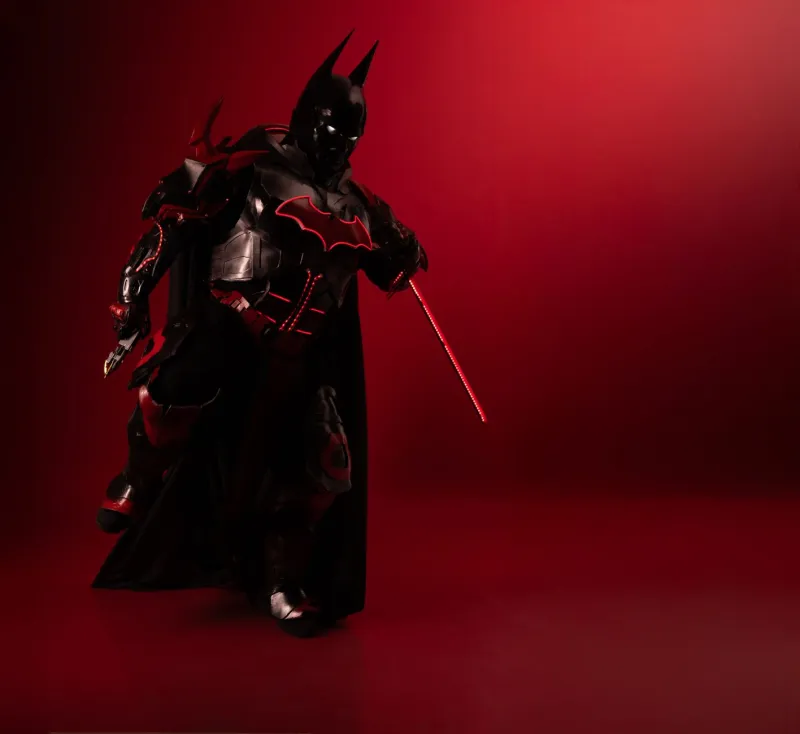
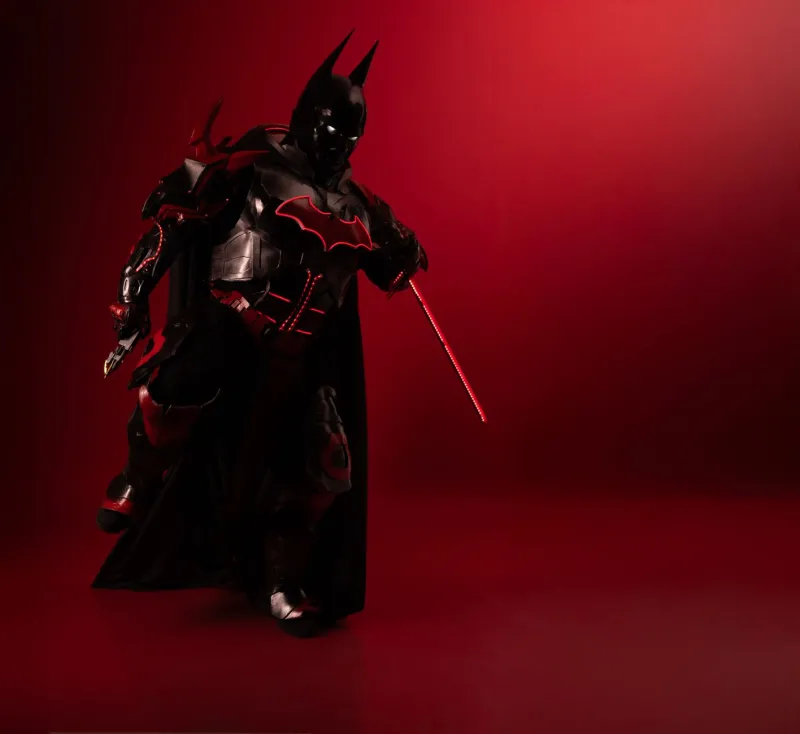
The fallen knight — and yeah, we're going there — is the genre's defining archetype precisely because they embody this tension. They carry the iconography of honor while being defined by its absence. They reach for redemption with hands that have done unforgivable things. And we follow them anyway, because the reaching matters to us even when the arriving never comes.
Dark fantasy RPGs understand that the most powerful story isn't the one where the broken character gets fixed. It's the one where they almost do — where you can see exactly what it would have looked like, how close it came — and then the world reminds you what genre you're in.
That's the trap. That's always been the trap.
And next playthrough, you'll walk right back into it.