The Real Killers Wear No Crown: How Mini-Bosses and Ambushes Outshine the Final Boss
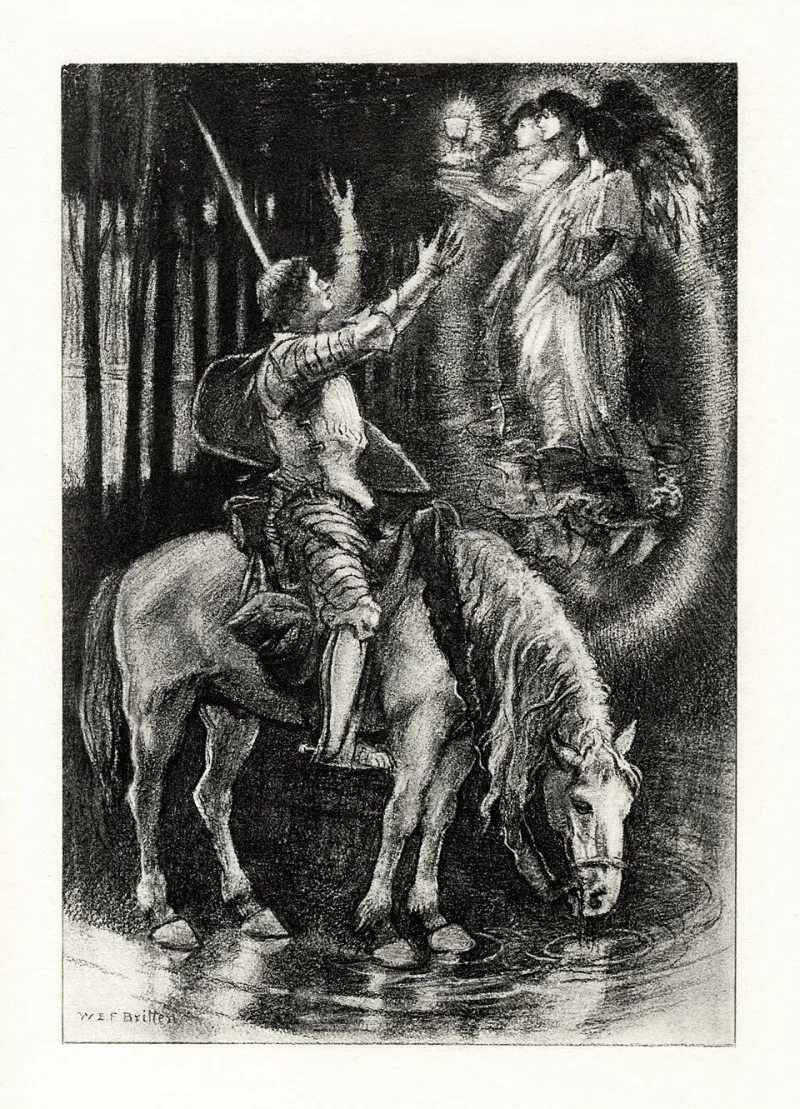
Photo: William Edward Frank Britten (1848–1916) Adam Cuerden (restoration), Public domain, via Wikimedia Commons
Every dark fantasy RPG ships with a poster boss. You know the one — ten stories tall, wreathed in flame, name that sounds like a metal album nobody asked for. The trailers feature it. The wiki pages dedicate their longest entries to it. And yet, ask any player what actually broke them, and they'll tell you about a guy. Some dude in a hallway. Maybe a dog.
The Corridor That Ruined You
There's a specific kind of memory that lives in the community consciousness, and it's almost never the final boss. It's the first time a seemingly normal enemy turned out to be a trap. The knight who stood perfectly still until you walked past. The treasure chest that was not a treasure chest. The room that looked empty until it very much wasn't.
These moments work because they weaponize trust. By hour six, you've internalized the game's rules — enemies patrol, chests are chests, doors open forward. Then the game breaks one rule, quietly, without a cutscene or a health bar announcement. No dramatic music sting. Just you, a dark hallway, and the sudden realization that you are not the predator here.
Final bosses announce themselves. The best ambushes never do.
Why the Little Guy Hits Harder
Think about the structure of dread. A marquee boss fight comes with scaffolding: a fog gate, a boss bar, a save point nearby. The game is telling you this is the hard part, brace yourself. Your brain preps. You fail, you retry, you learn the pattern. It's a boxing match with rules.
A mini-boss or environmental threat strips all of that away. The nightmare knight guarding an unremarkable bridge doesn't come with a health bar or a checkpoint. He comes with the full weight of your own assumptions. When he flattens you in two hits, the game isn't just killing your character — it's killing your model of how the world works. That's a deeper cut than any scripted finale.
Level design does the heavy lifting here. The best dark fantasy games are architects of anxiety: long sightlines that promise safety, corners that hide nothing and everything, lighting that renders every shadow equally suspicious. The enemy placement isn't random. It's choreographed. That lone archer on the roof? He exists to make you sprint through the middle of the courtyard, directly into the ambush the level designer planted six minutes ago. You weren't killed by an arrow. You were killed by a floor plan.
The Stories We Tell Are About the Small Stuff
Here's the thing about community storytelling: nobody gathers around the digital campfire to recount their flawless victory over the final boss in the same way they recount their first death to a basic enemy ambush. The forum posts, the Reddit threads, the Discord clips — they're dominated by the absurd, the humiliating, the I can't believe that got me moments.
There's a reason "the dog in the basement" is a genre of story unto itself. It's relatable in a way a 40-hour boss gauntlet isn't. Every player has a hallway that got them. Every player has a minor enemy they now treat with absurd, superstitious respect — buffing before a fight they could win naked, because the game taught them better once.
Marquee bosses create accomplishments. Mini-bosses create folklore. And folklore, in a community built around shared suffering, is the real currency.
Marketing Sells the Mountain; the Game Hides the Thorns
From a design perspective, this asymmetry is almost intentional. Big bosses are spectacle — they have to be, to justify the trailer budget. But the quiet killers are craft. They cost a fraction of the development resources and generate a multiple of the memorable moments, because they're woven into the fabric of play rather than fenced off at the end of a level.
So the next time a game's marketing shoves a flaming colossus in your face, remember: that's not where your story will come from. Your story is the ladder you didn't know was climbable, the mimic with a taste for optimism, the knight in the church who moved faster than anything with a name had any right to.
The boss fight is the announcement. The ambush is the legend. And in a genre that trades on dread, the legend always wins.